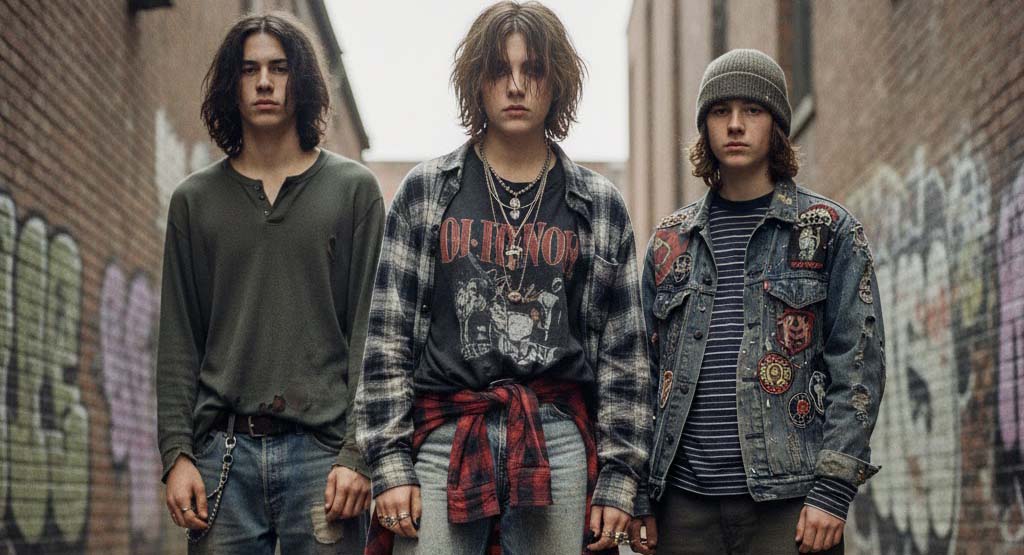
The Flannel Phoenix: The Rise and Fall of '90s Grunge Culture
The early 1990s witnessed a seismic shift in youth culture, soundtracked by a sound as gray and rainy as its birthplace: grunge. Emerging from the underground scene in Seattle, Washington, grunge was more than just music; it was a defiant counter-reaction to the excessive glamour of 1980s hair metal and the polished sheen of pop music. It became the raw, authentic voice of a generation—the Gen X "slackers"—but its powerful flame was extinguished as quickly as it ignited, leaving behind a profound and lasting legacy.
*The Rise: From Sub Pop to Superstar*
Grunge was a sonic blend of the primal aggression of punk rock and the slow, sludgy, heavy riffs of bands like Black Sabbath, often characterized by distorted, fuzz-heavy guitars, introspective lyrics, and a general air of alienation and disillusionment.
*The Seattle Sound*
The movement began in earnest during the mid-to-late 1980s with bands like Green River, The Melvins, and Mudhoney, championed by the independent record label Sub Pop. The music was gritty, unpolished, and captured the working-class aesthetic and dreary mood of the Pacific Northwest.
*The Breakthrough Moment*
The genre exploded into the mainstream in 1991 with the release of Nirvana's landmark album, Nevermind**. Led by the anthem "Smells Like Teen Spirit," the album displaced Michael Jackson from the top of the charts, announcing that the underground had arrived. Suddenly, the "Big Four" of grunge—Nirvana, Pearl Jam, Soundgarden, and Alice in Chains—were global superstars.
*A Cultural Revolution*
The grunge aesthetic quickly spread beyond music. It was an anti-fashion statement born of necessity and thrift-store finds: oversized flannel shirts, ripped jeans, combat boots, and a general rejection of materialism. This look was embraced by millions as a symbol of youthful dissent. Grunge gave a voice to the feelings of apathy and angst, offering a cathartic emotional release that resonated with disillusioned young people worldwide.
*The Fall: Commercialization and Tragedy*
The very success that propelled grunge into the spotlight ultimately led to its undoing. The raw authenticity that defined the genre was incompatible with the massive commercial machine it had created.
*The Loss of Authenticity*
As record labels scrambled to sign the "next Nirvana," the underground sound was rapidly co-opted and commercialized. What began as a genuine countercultural movement became a lucrative trend. High-fashion houses started selling $1,000 flannel shirts, and "grunge" became a mere marketing ploy. Many bands, including key figures like Pearl Jam, actively resisted the corporate machinery, but the genre was irrevocably diluted by imitators and its own massive popularity.
*The Decisive Tragedy*
The most devastating blow to the movement was the suicide of Kurt Cobain in April 1994. Cobain, who struggled with addiction and famously loathed his celebrity status and the media's interpretation of his music, was the reluctant icon and emotional center of the movement. His death sent a shockwave through the music world, symbolizing the end of the initial era. Other pivotal figures also succumbed to tragic fates, such as Layne Staley of Alice in Chains, whose battle with addiction eventually led to his death in 2002, furthering the sense that the movement's dark intensity had consumed its own artists.
*The Rise of New Trends*
By the mid-to-late 1990s, the spotlight began to shift. New genres emerged that drew attention away from the Seattle sound:
- Post-Grunge:* Bands like Foo Fighters (formed by former Nirvana drummer Dave Grohl) and Bush kept some of the sonic elements but offered a more polished, radio-friendly sound.
- Pop-Punk and Britpop:* High-energy pop-punk (e.g., Green Day, Blink-182) and the anthemic, more upbeat energy of UK bands like Blur and Oasis provided a lighter alternative that captured the public's imagination.
- Hip-Hop:* The genre's commercial surge continued, dominating charts and diversifying the musical landscape.
The Legacy: An Undying Echo
While the grunge phenomenon peaked sharply and then receded, its influence is undeniable. Grunge forever changed the landscape of rock music, paving the way for the acceptance of alternative music in the mainstream. It proved that authenticity, raw emotion, and introspection could resonate more deeply than spectacle, permanently dismantling the "hair metal" era and opening the door for countless artists who prioritized emotional honesty over glamour. Even decades later, the distinct echo of that distorted, sludgy sound and the spirit of the flannel-clad rebels from Seattle continues to shape modern rock and alternative culture.
Comments (0)
No comments yet. Be the first to share your thoughts.
Sign in in your browser to leave a comment.